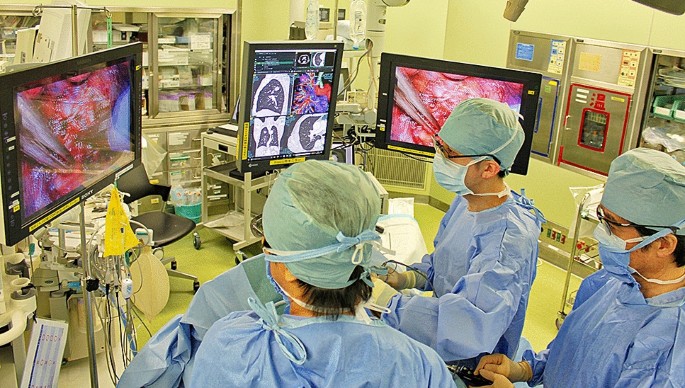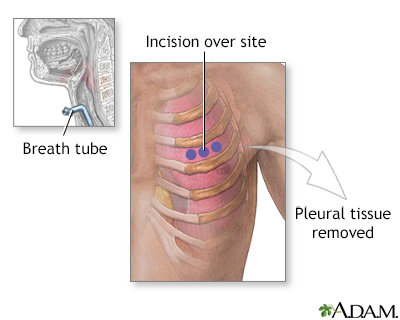
Open pleural surgery, also known as thoracotomy, is a surgical procedure performed in Mumbai and Navi Mumbai to address various conditions affecting the pleura, the double-layered membrane surrounding the lungs and lining the chest cavity. This invasive surgical technique is typically employed when less invasive treatments like medications or drainage procedures are ineffective.
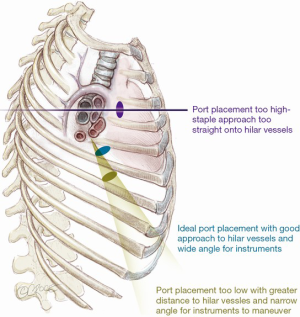
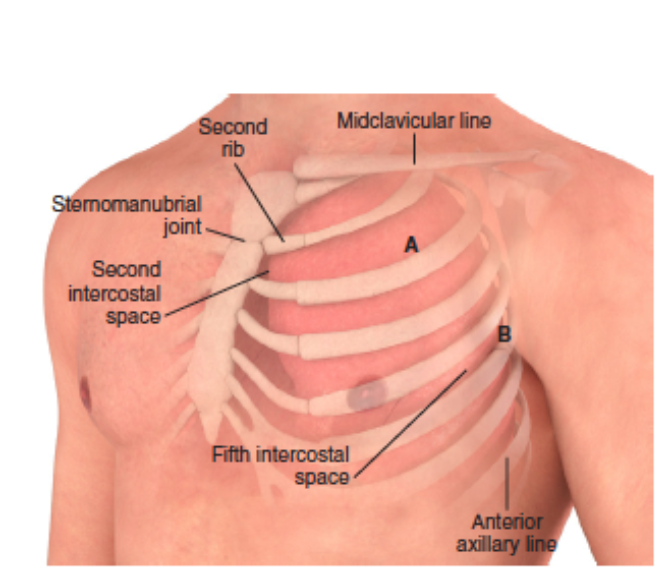
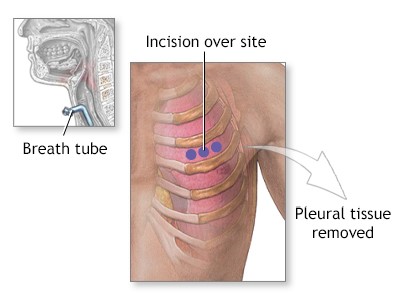
During open pleural surgery, a surgeon makes an incision between the ribs, providing access to the pleural space. This procedure is commonly used to treat conditions such as pleural effusion (accumulation of fluid in the pleural cavity), lung infections, tumors, and pleural thickening. Surgeons can drain fluid, remove infected or damaged tissue, or biopsy suspicious growths to diagnose and treat underlying medical issues.
In Mumbai and Navi Mumbai, this procedure is performed by skilled thoracic surgeons in state-of-the-art hospitals, ensuring patients receive the highest standard of care. While open pleural surgery is a more invasive option, it can be a life-saving intervention for individuals with severe pleural conditions. Patients are closely monitored throughout their recovery, and post-operative care is tailored to each individual's needs.
Pleurectomy:In cases where there is a need to remove a portion of the pleura, pleurectomy is the preferred option. This surgical technique is employed to treat conditions like pleural mesothelioma, a cancer that affects the pleura.
Decortication: Decortication is a more extensive open pleural surgery aimed at removing the thickened and inflamed pleural tissue. This procedure is often used to treat conditions such as pleural empyema, where pus accumulates in the pleural cavity.
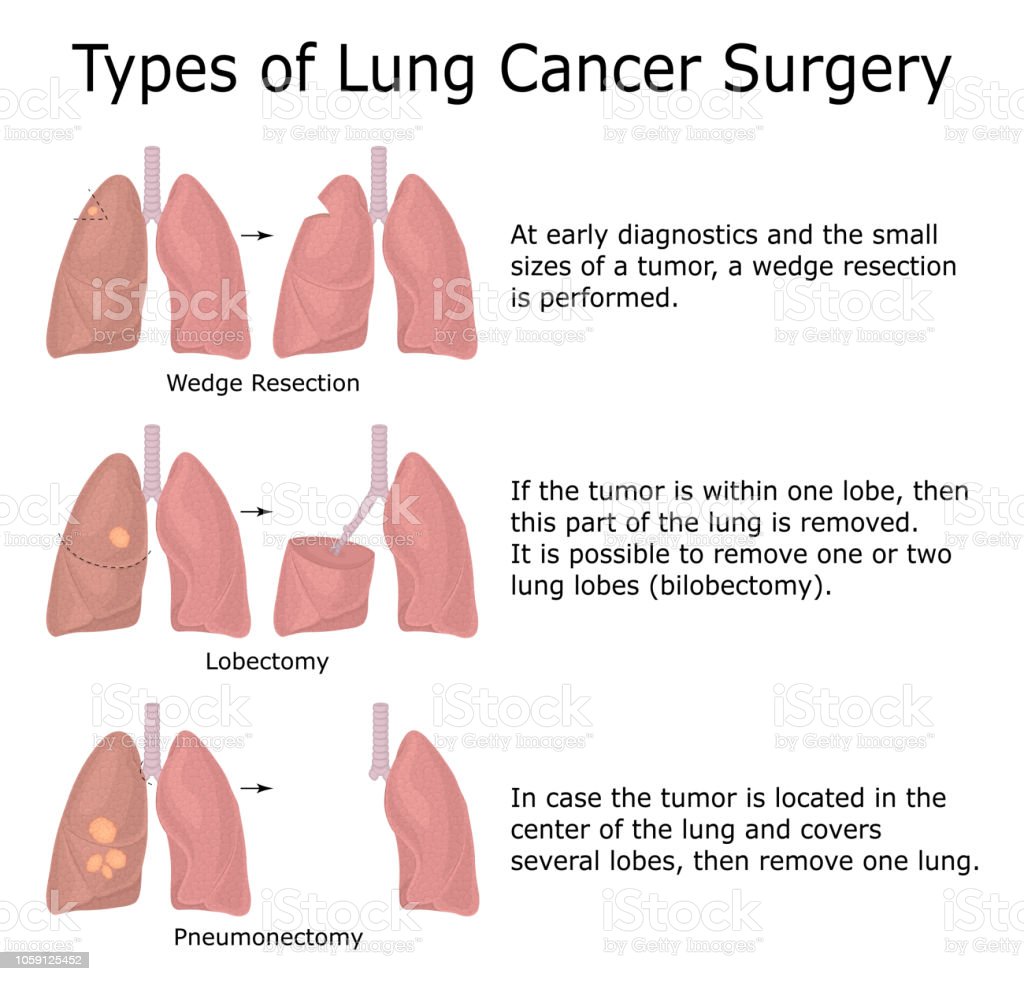
Pneumonectomy: When a lung needs to be removed due to severe damage or disease, a pneumonectomy is performed. This is a complex open pleural surgery that requires the removal of an entire lung. It is typically employed in cases of advanced lung cancer or severe lung infections.
Open pleural surgery becomes necessary in cases where less invasive treatments, such as medication or minimally invasive procedures, prove ineffective. Conditions that may require open pleural surgery include:
Pleural Effusion: The buildup of excess fluid in the pleural space, often due to infections, congestive heart failure, or malignancies.
Pleural Infections: Severe infections of the pleura, including empyema, that demand surgical drainage and debridement.
Pleural Tumors: The presence of benign or malignant tumors within the pleura, which need to be excised for therapeutic or diagnostic purposes.
Pleurodesis: A procedure to prevent the recurrence of pleural effusion, often employed in cases of cancer-related effusions.
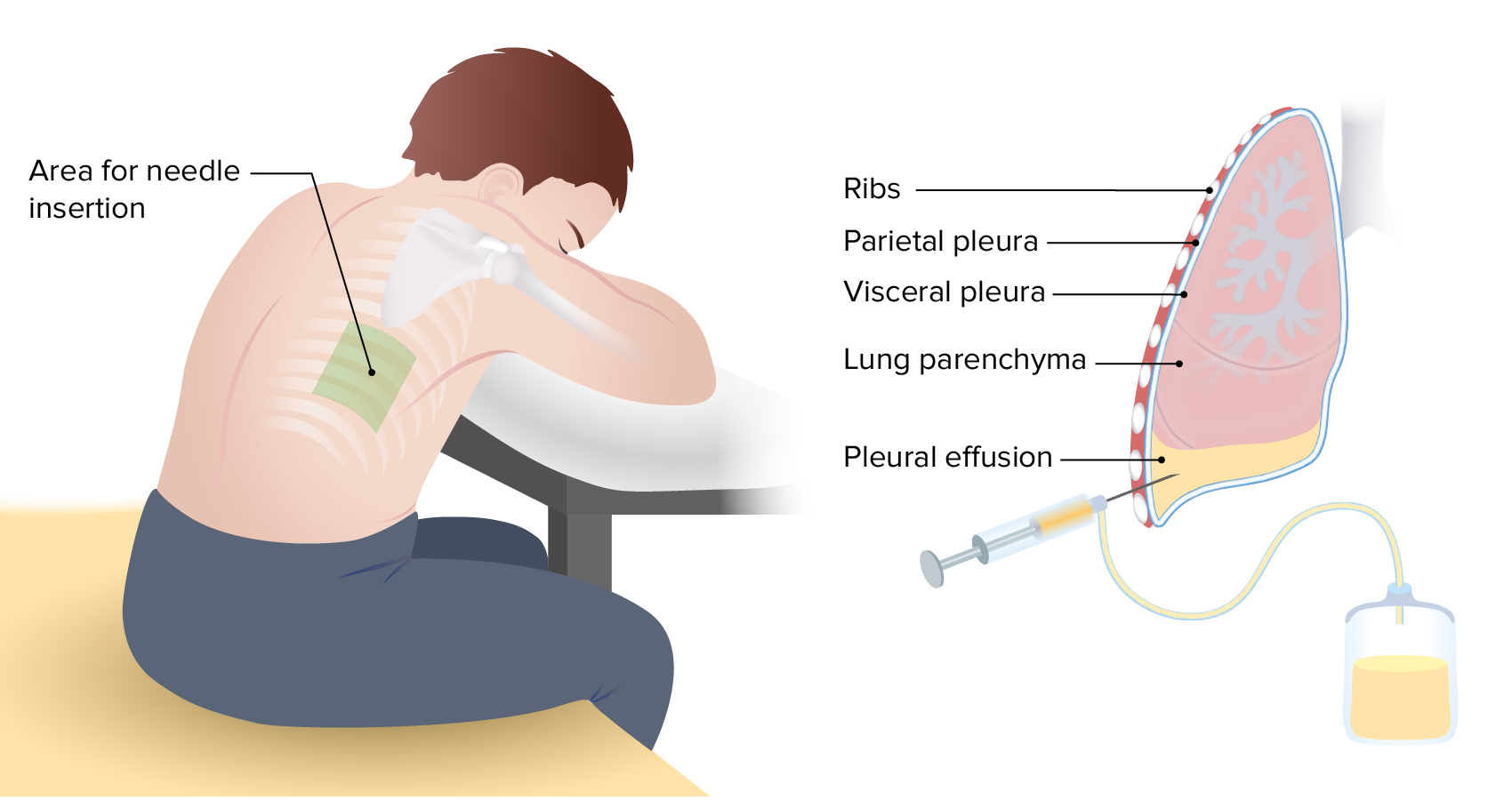
Pleural effusion is the abnormal buildup of fluid in the space surrounding the lungs (pleural cavity). It can result from various causes, including infections, heart failure, or cancer. Treatment depends on the underlying cause and may involve draining the fluid and addressing the root issue. Timely medical attention is crucial.
For those dealing with pleural effusion in Mumbai or Navi Mumbai, Dr. Nikhil Rane's Thoracic Lung Surgery Clinic offers specialized care. Dr. Rane is a renowned expert in thoracic surgery, with extensive experience in diagnosing and treating pleural effusion. His clinic is equipped with state-of-the-art facilities to provide accurate diagnostics and tailored treatment plans, ensuring the best possible outcomes. If you or a loved one require comprehensive care for pleural effusion, Dr. Nikhil Rane's clinic is a trusted destination for expert medical attention in the Mumbai and Navi Mumbai areas.
Here are some steps to consider if you suspect pleural effusion:
1) Consult a Healthcare Professional: Start by visiting a qualified healthcare provider or a pulmonologist. They will conduct a physical examination, review your medical history, and may order diagnostic tests such as chest X-rays, ultrasound, or CT scans to confirm the diagnosis and determine the underlying cause.
2) Treatment:
: Treatment for pleural effusion depends on the cause and severity of the condition. Common approaches include:
• Thoracentesis: This is a procedure where a needle is used to drain the accumulated fluid from the pleural cavity. It can provide relief and may be used for diagnostic purposes.
• Medication: If an infection is the cause, antibiotics may be prescribed. Other underlying conditions, such as heart failure or cancer, will require specific treatments.
• Management of the Underlying Cause: Treating the root cause of pleural effusion is essential for long-term management. This may involve managing heart failure, addressing lung infections, or providing cancer treatments.
3) Follow-Up Care: After initial treatment, it's essential to follow up with your healthcare provider to monitor your progress and adjust the treatment plan as needed. This helps ensure the effusion does not recur.
4) Lifestyle Modifications: Depending on the underlying cause, your healthcare provider may recommend lifestyle changes, such as dietary modifications, smoking cessation, or physical activity adjustments to support your overall health.
5) Supportive Care: Managing pleural effusion may also involve addressing symptoms such as shortness of breath, pain, or discomfort through medications and other supportive measures.
At Thoracic Lung Surgery Clinic, we take immense pride in our distinguished team of thoracic surgeons, who are pioneers in the field of open pleural surgery. Our surgeons are equipped with the latest advancements in medical technology and have an extensive track record of successful surgeries.
At the Thoracic Lung Surgery clinic, patients undergo a comprehensive evaluation and a series of diagnostic tests to determine their lung health and identify any potential conditions or issues. These tests are crucial for accurate diagnosis and treatment planning. Here is an overview of the diagnostic process at the clinic:
Medical History and Physical Examination: Patients begin by providing their medical history, including any existing lung conditions, symptoms, and relevant past medical events.A thorough physical examination is conducted to assess lung function, breathing patterns, and overall health.
Chest X-ray: A chest X-ray is one of the initial imaging tests performed to obtain a basic view of the lungs and surrounding structures.
Computed Tomography (CT) Scan: CT scans provide detailed cross-sectional images of the chest, allowing for a closer examination of lung tissue, blood vessels, and lymph nodes.
Pulmonary Function Tests (PFTs): PFTs measure lung capacity and function, helping to diagnose conditions such as asthma, chronic obstructive pulmonary disease (COPD), and restrictive lung diseases.
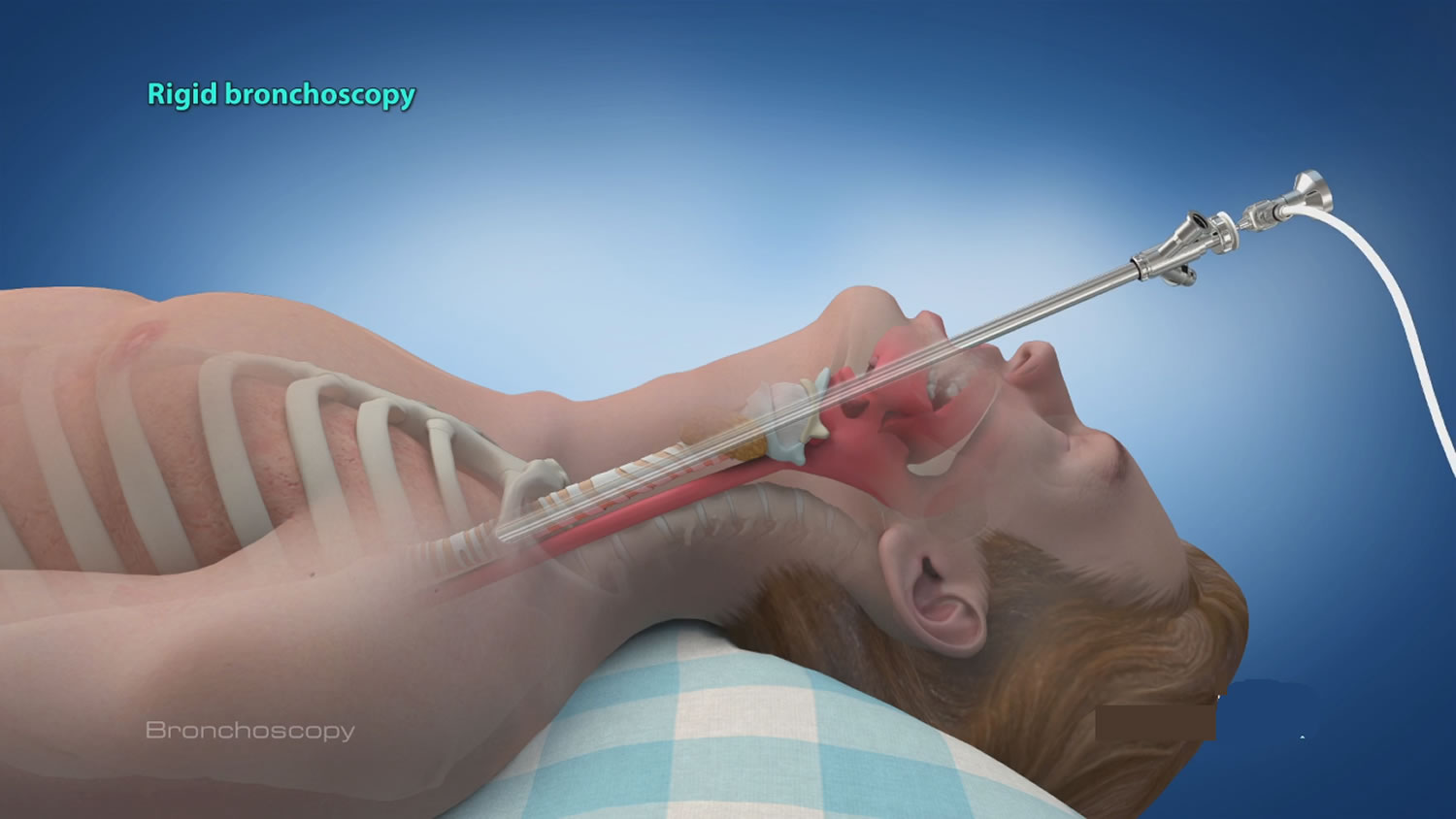
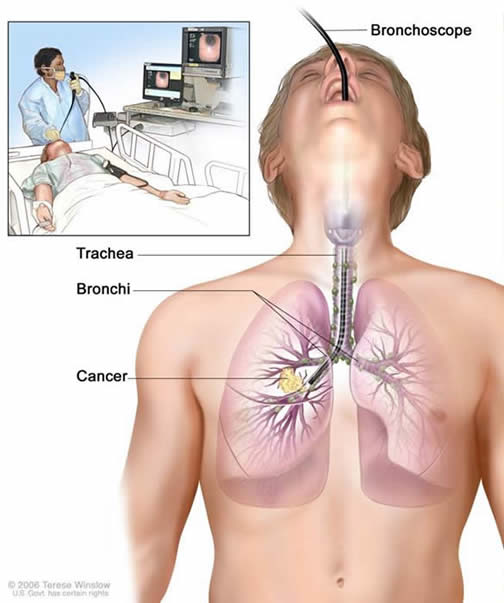
Bronchoscopy: A bronchoscopy is a procedure that involves the insertion of a thin, flexible tube with a camera into the airways to visualize the inside of the lungs and collect samples if needed.
Thoracentesis: In cases of pleural effusion (fluid accumulation around the lungs), thoracentesis may be performed to drain the fluid for analysis.
Blood Tests: Blood tests can provide valuable information about the overall health of the patient and may include tests for infection, inflammation, or specific lung-related markers.

Lung Surgery Clinic 306,The Pacific, Sector 13, Shilp Chauk,Kharghar . Navi-Mumbai-410210

882 840 9878

dr.nikhilrane356@gmail.com