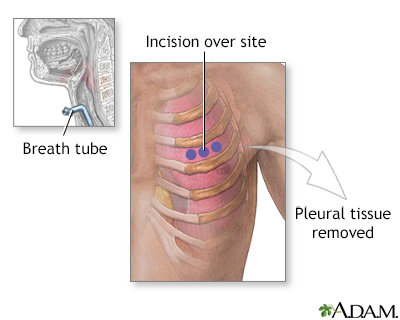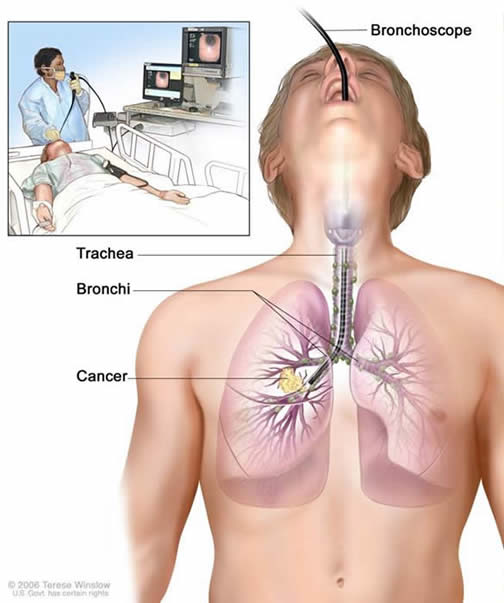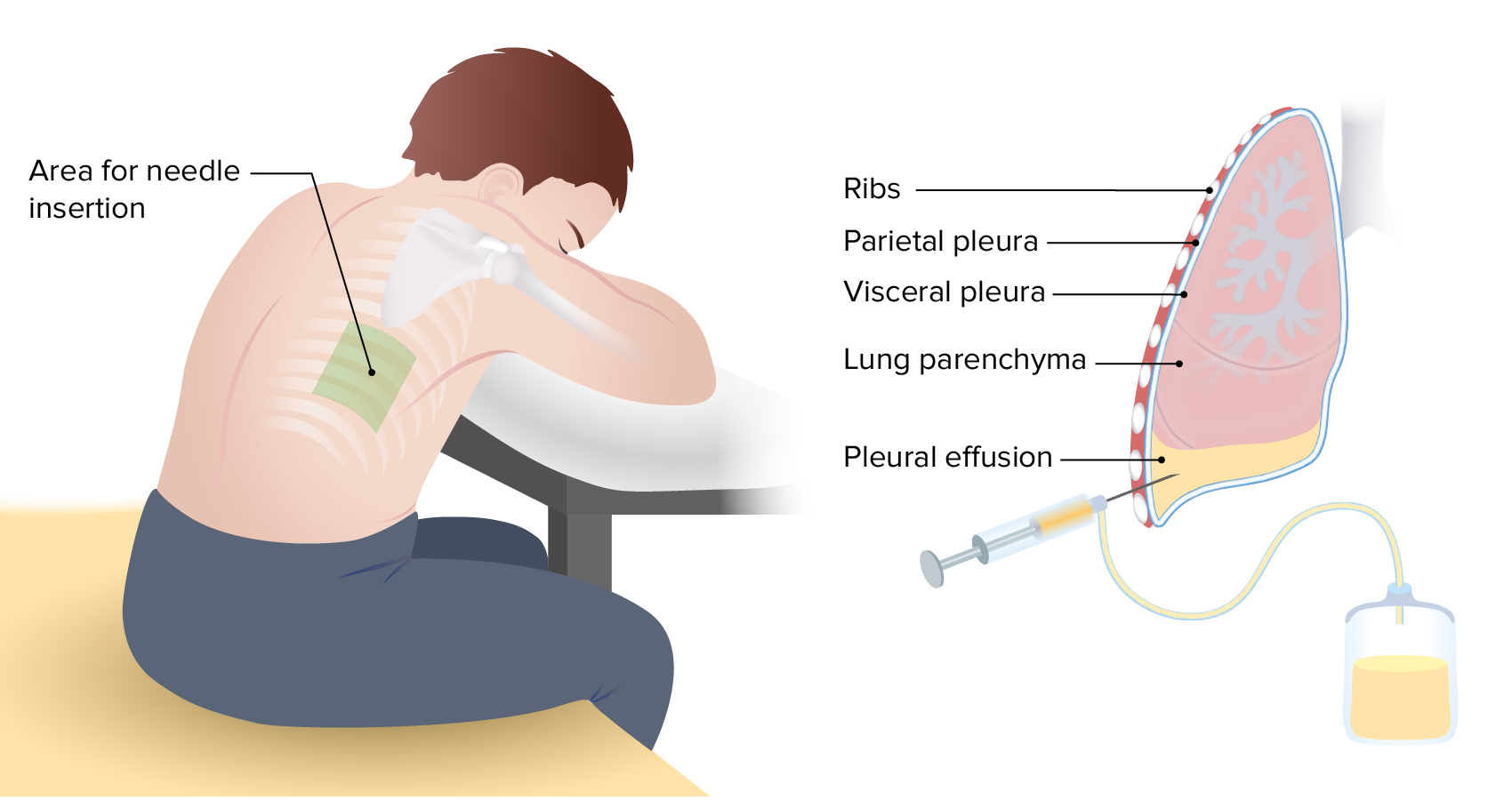
Open Thoracotomy surgery is a surgical procedure performed in Mumbai and Navi Mumbai to access and treat conditions within the chest, such as lung cancer, lung infections, or chest trauma. During the surgery, a large incision is made in the chest wall to provide direct access to the thoracic cavity. This approach allows surgeons to visually inspect and manipulate structures within the chest. Open Thoracotomy is typically chosen when less invasive methods are not feasible. Leading hospitals and experienced thoracic surgeons in Mumbai and Navi Mumbai offer this procedure, ensuring patients receive specialized care and treatment for various thoracic conditions.
Preparation: Before the surgery, patients are prepared for the procedure. This includes taking a medical history, conducting physical examinations, and performing necessary diagnostic tests like X-rays, CT scans, and blood work. The surgical team discusses the procedure with the patient, including potential risks and benefits.
Anesthesia: On the day of surgery, the patient is brought into the operating room and administered general anesthesia. This ensures that the patient is unconscious and pain-free throughout the procedure.
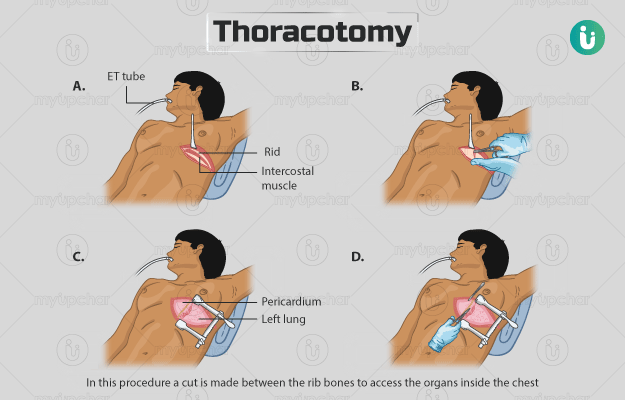
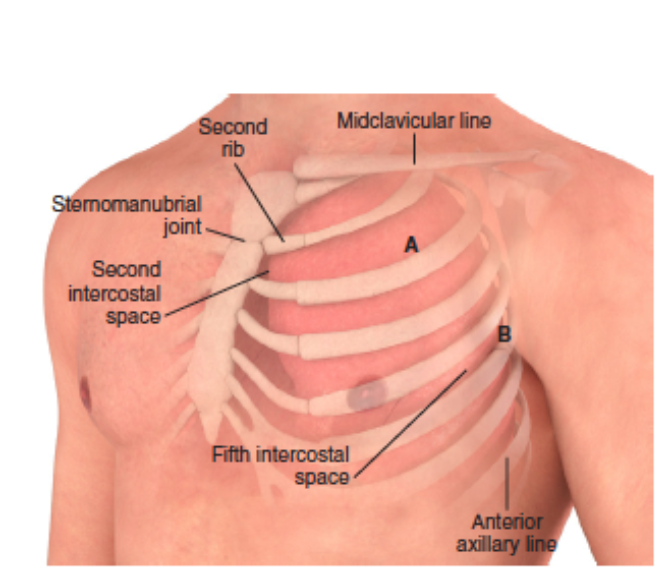
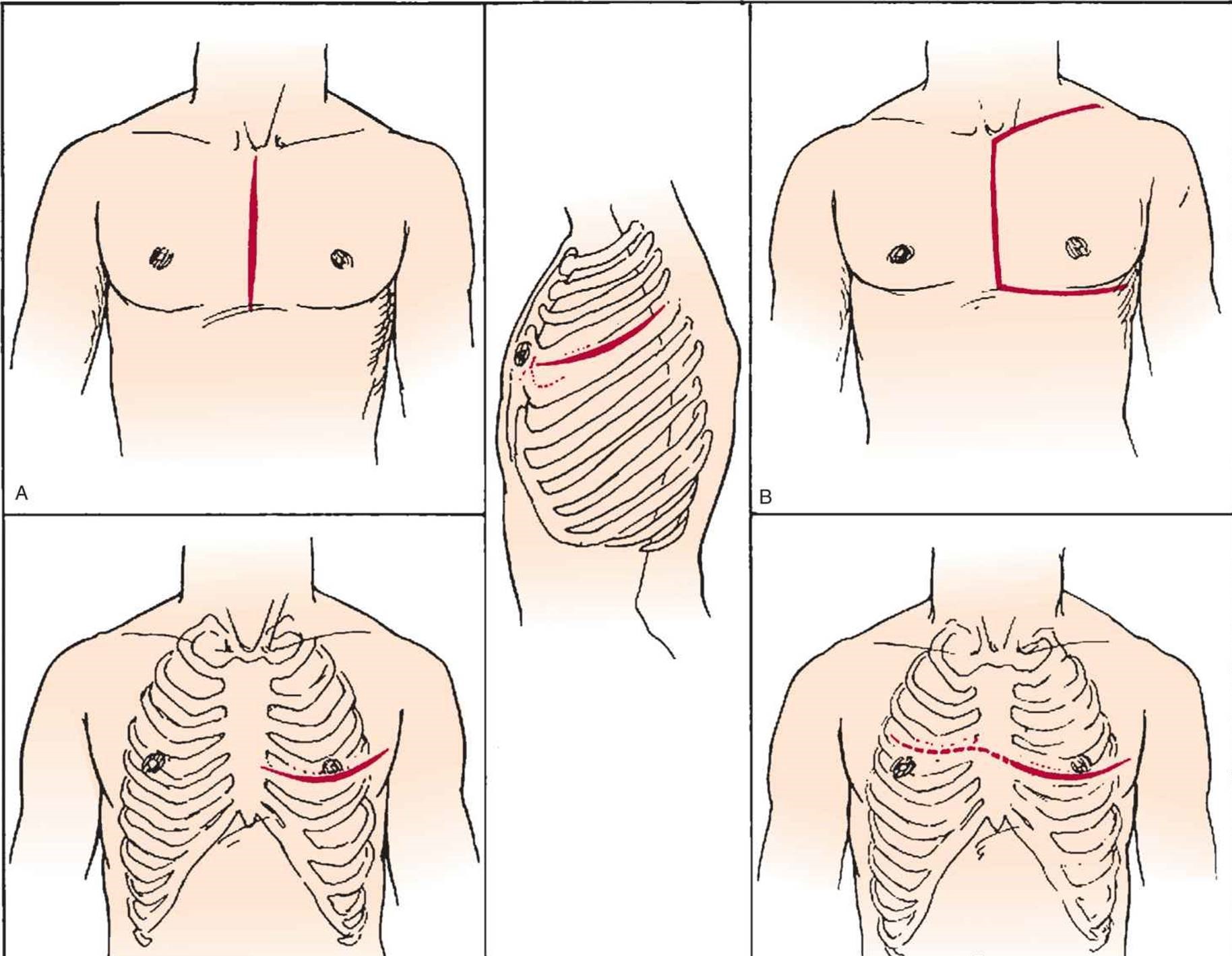
Incision: The surgeon makes a relatively large incision on the side of the chest, typically between the ribs. This incision provides access to the thoracic cavity.
Thoracic Cavity Access: Once the chest is open, the surgeon carefully separates the ribs to gain access to the thoracic cavity. Specialized instruments and equipment are used to ensure clear visibility and precision during the procedure.
Procedure: The specific procedure performed during the open thoracotomy depends on the reason for surgery. It could involve removing a portion of the lung, repairing damaged lung tissue, or addressing other thoracic issues such as removing tumors, treating infections, or repairing chest trauma.
Closure: After completing the necessary steps, the surgeon carefully closes the incision. This may involve sutures or staples, and sometimes a drainage tube is placed to remove excess fluids from the chest cavity during the initial stages of recovery.
Post-operative Care: After discharge, patients continue to follow up with their surgeon for post-operative care, including wound care, medication management, and rehabilitation if needed.
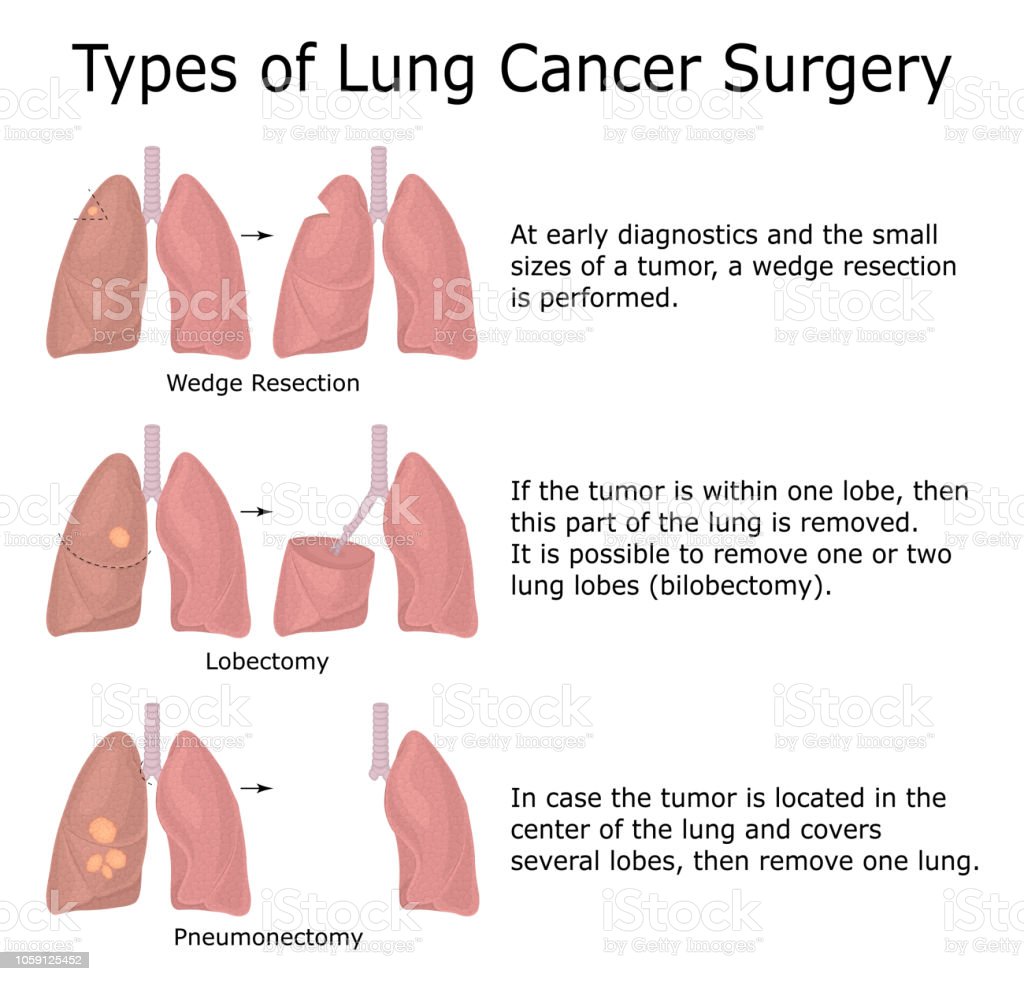
Lung resection, a surgical procedure to remove a portion of the lung, is readily available in Mumbai and Navi Mumbai. This procedure is commonly performed to treat lung cancer, lung infections, or other lung disorders. Highly specialized hospitals and skilled thoracic surgeons in the region offer a range of lung resection techniques, including lobectomy and wedge resection. Patients in Mumbai and Navi Mumbai benefit from access to modern medical facilities equipped with advanced technology and a team of experienced medical professionals. These healthcare centers prioritize patient safety and effective treatment, making them suitable choices for individuals requiring lung resection surgery.
The procedure for lung resection in Mumbai and Navi Mumbai is similar to the general lung resection procedure mentioned earlier. Here's a more specific overview of the steps involved in lung resection in these regions:
Preparation: Patients in Mumbai and Navi Mumbai undergo a thorough preoperative evaluation, including a medical history review, physical examination, and various diagnostic tests such as CT scans and pulmonary function tests. The surgical team discusses the procedure, potential risks, and benefits with the patient.
Anesthesia: On the day of surgery, the patient is brought into the operating room and administered general anesthesia to ensure they are completely unconscious and pain-free during the procedure.
Incision: The surgeon makes an incision in the chest, typically on the side where the affected lung is located. The size and location of the incision may vary based on the specific type of lung resection and the surgeon's preference.
Access to the Lung: Once the chest is opened, the surgeon gains access to the lung and isolates the portion that needs to be removed.
Resection: The surgeon carefully removes the targeted portion of the lung, whether it's a lobe (lobectomy), a segment (segmentectomy), or a smaller portion (wedge resection) based on the patient's condition and the extent of the disease.
Closure: After the lung resection is completed, the surgeon closes the incision using sutures or staples. A chest tube may be inserted to facilitate the drainage of any air or fluid that could accumulate in the chest cavity during the initial stages of recovery.
Lung resection is a surgical procedure that may be recommended for individuals with various lung conditions. The decision to undergo a lung resection is typically made by a medical team, including a thoracic surgeon, based on a thorough evaluation of the patient's condition. Here are some common reasons why someone might need a lung resection:
Lung Cancer: Lung resection is often performed to remove cancerous tumors or lesions in the lung.
Lung Infections: Lung resection may be necessary to treat severe lung infections that do not respond to antibiotics or other treatments.
Lung Abscess: Lung abscesses, which are pockets of infected or necrotic (dead) tissue in the lung, may require surgical removal if they are large or not responding to other treatments.
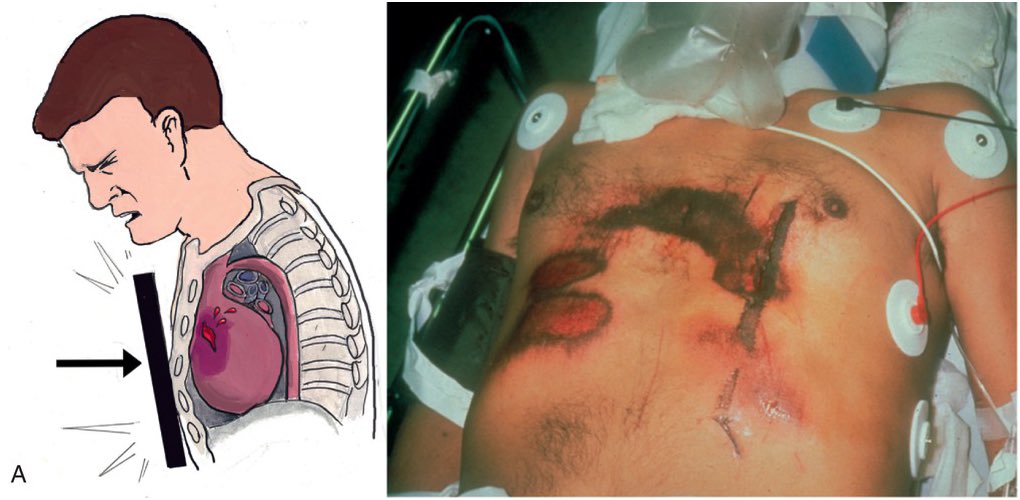
Lung Trauma: In cases of severe chest trauma, such as gunshot wounds or accidents, lung resection may be needed to repair or remove damaged lung tissue.
Lung Disorders: Some chronic lung conditions, such as bronchiectasis or certain benign lung tumors, may necessitate lung resection to improve lung function or alleviate symptoms.

Lung Surgery Clinic 306,The Pacific, Sector 13, Shilp Chauk,Kharghar . Navi-Mumbai-410210

882 840 9878

dr.nikhilrane356@gmail.com